
April 9, 2026
April 9, 2026
Wondering why two Wake Forest homes with similar square footage can land at very different prices? If you are selling in an older neighborhood or a newer subdivision, the answer often comes down to what buyers believe they are really getting for the money. In Wake Forest, pricing is not just about age. It is about character and condition versus amenity package and turnkey appeal. If you understand that difference, you can price more strategically and avoid the costly mistake of chasing the wrong comps. Let’s dive in.
Wake Forest is still a growing market, and that growth shapes how buyers compare homes. The U.S. Census Bureau estimates the town’s 2024 population at 56,764, up 18.2% since 2020, with a 74.7% owner-occupied housing rate and a median owner-occupied home value of $435,000.
Recent pricing data also shows a market where accuracy matters. Redfin reports a February 2026 median sale price of $470,000, while Zillow reports an average home value of $507,778 and a median sale-to-list ratio of 0.985. In plain terms, many sellers are not getting full asking price, so your list price needs to reflect how buyers will compare your home to others on the market.
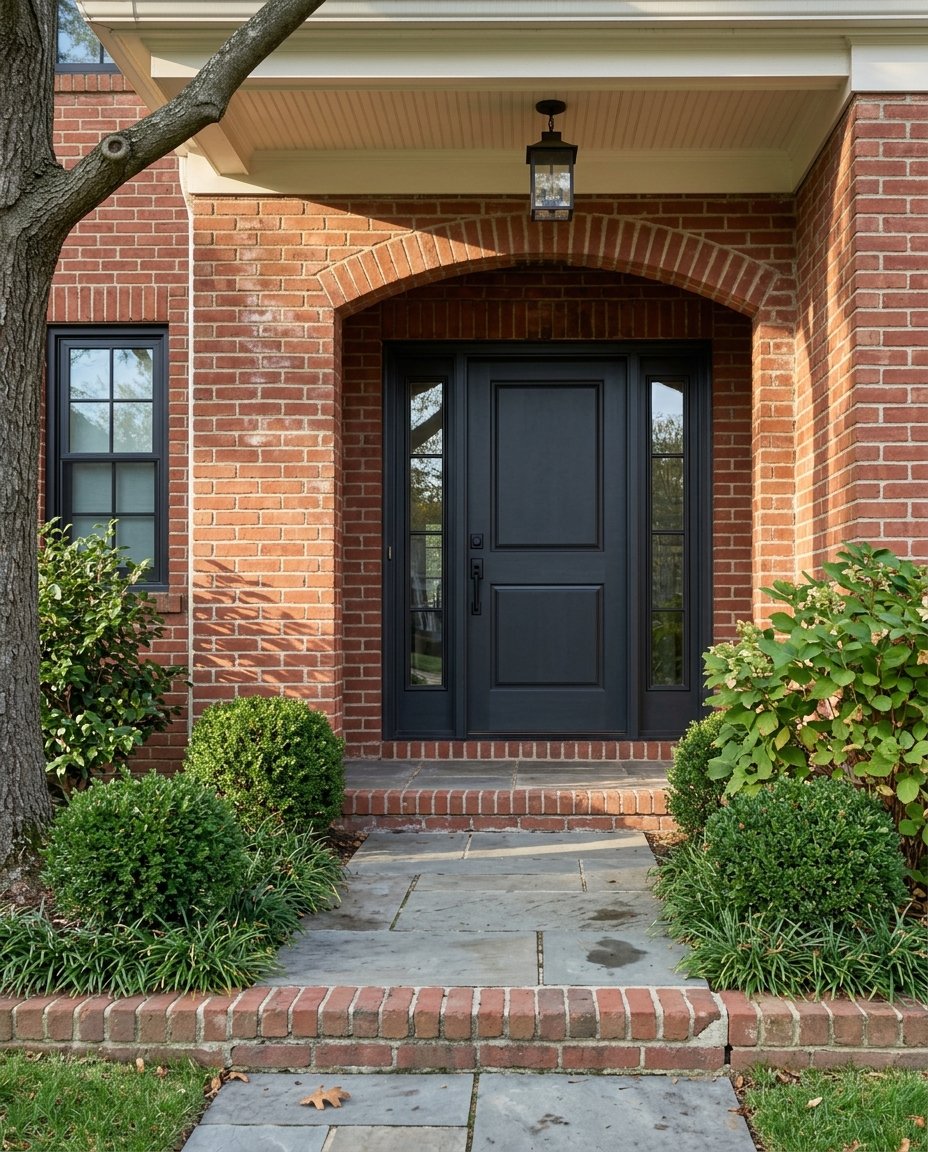
In older Wake Forest neighborhoods, buyers often care less about the year built and more about the full story of the home. That includes condition, renovation quality, preserved original features, and whether the home offers something hard to recreate in newer construction.
Wake Forest has four historic districts, including three National Register districts and one local historic district. The local district is centered on North Main Street and East South Avenue, and exterior changes there require a Certificate of Appropriateness. The town also notes that Glen Royall Mill Village retains much of its original housing stock and historic streetscapes, including preserved shade-tree patterns.
That matters for pricing because buyers are not just comparing countertops and square footage. They are also comparing setting, architecture, lot pattern, and the feeling of a long-established part of town.
In an established neighborhood, buyers usually pay a premium for a home that blends historic character with visible upkeep. If your home has original charm and recent updates, that combination tends to be more compelling than charm alone.
The strongest pricing story often includes updates such as:
Buyers may love a classic façade or mature streetscape, but they also want confidence that they will not be facing immediate big-ticket repairs. In older neighborhoods, that peace of mind can support pricing better than a simple price-per-square-foot comparison.
One of the biggest pricing mistakes in older Wake Forest neighborhoods is assuming all historic or established homes should be measured the same way. They should not.
A home with partial updates, original finishes, and deferred maintenance will be judged very differently from one that has been extensively renovated. Wake Forest examples show how wide that spread can be. 228 N Main St was built in 1883 and sold for $1.092 million after extensive renovation, while 334 Woodland Dr was built in 1940 and sold for $751,000.
Those examples do not mean every older home commands a premium. They show that in older neighborhoods, finish level and presentation can swing value sharply.
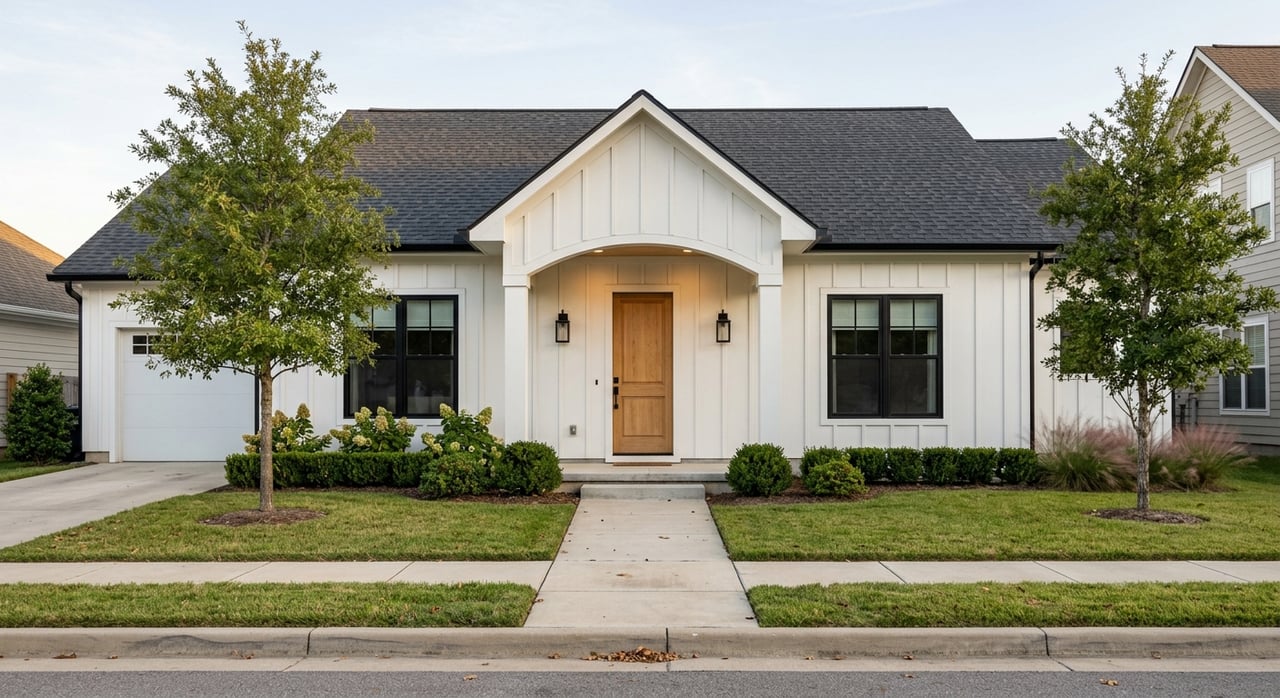
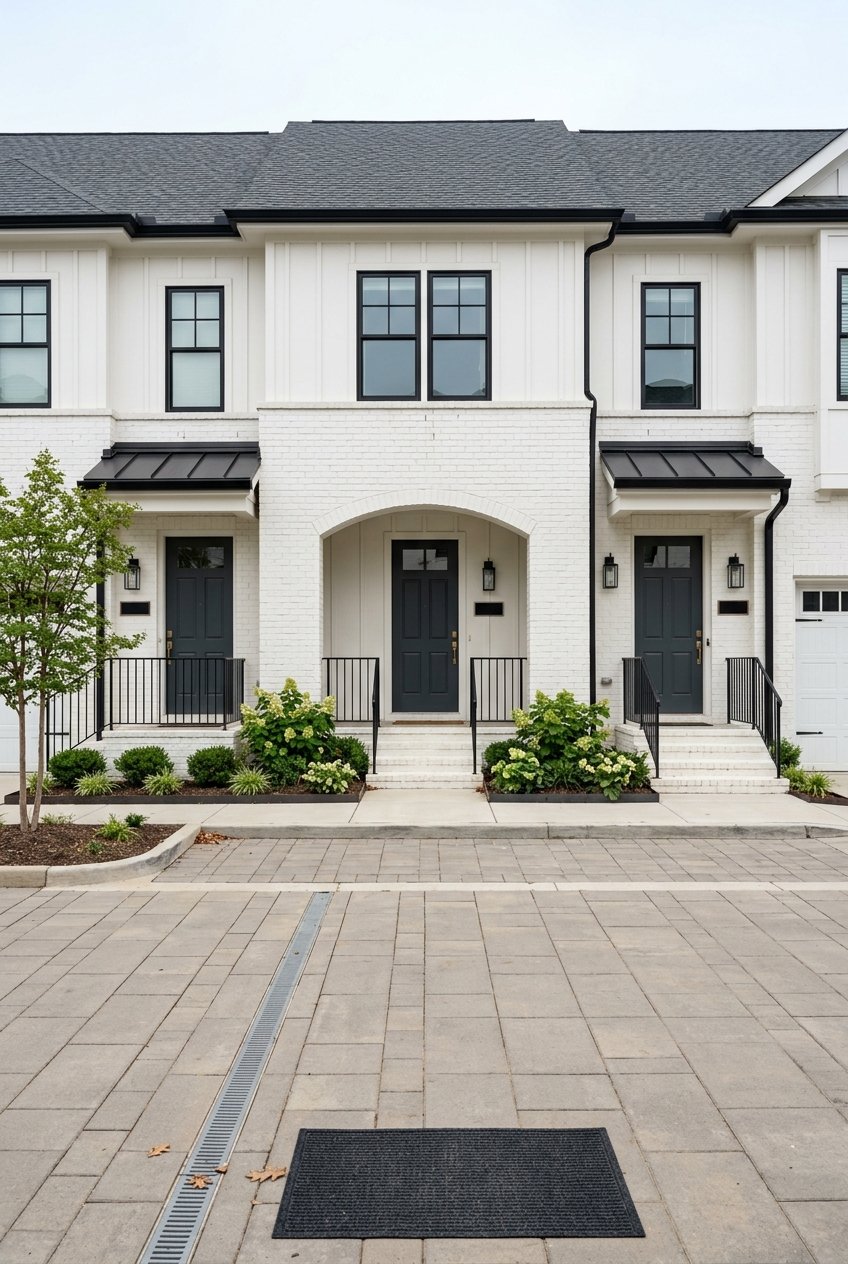
In newer Wake Forest subdivisions, buyers often take a different approach. They usually compare your home not only to nearby resales, but also to builder inventory, community amenities, and how move-in ready the property feels.
Wake Forest’s community plan calls for neighborhoods with focal points and centrally located amenity areas like pools, tennis courts, and clubhouses. That planning approach helps explain why newer communities are often marketed as a full lifestyle package rather than just a house.
If you are selling a newer home, buyers are likely looking closely at:
This is especially true in communities where amenities are part of the value story. For example, Holding Village highlights a 15-acre lake, parks, trails, a pool and cabana, multiple townhome floorplans, and starting prices in the mid-$300,000s, with buildable plans recently advertised from about $350,990.
In another amenity-focused example, Heritage Fairview markets golf villas and townhomes with private courtyards, detached garages, pocket parks, and a maintenance-free lifestyle. In these settings, buyers are comparing the whole package attached to the address, not just the finishes inside the home.
In a newer neighborhood, pricing too high can be risky if buyers can get a similar home nearby with current finishes or builder incentives. Even if your home is only a few years old, it still competes against new construction if that option is available.
That means your price should reflect:
If you ignore active competition and price off neighborhood averages alone, you may miss how buyers are actually shopping.
The smartest way to think about Wake Forest pricing is not old versus new. It is character-and-condition versus amenity-and-turnkey.
Here is the practical difference:
| Neighborhood type | What often drives value most |
|---|---|
| Older established neighborhoods | Renovation quality, upkeep, architectural character, mature setting, lot pattern, historic appeal |
| Newer subdivisions | Turnkey condition, floor plan, builder competition, community amenities, low-maintenance lifestyle |
If your home is in an older area, your pricing strategy should account for what makes it distinctive and how much work a buyer may need to do after closing. If your home is in a newer neighborhood, your price should line up with what buyers can get right now in nearby resale or new-build competition.
Wake Forest is growing, but that does not mean every listing can stretch for top dollar. Current market data suggests that buyers are still price sensitive.
According to Redfin’s Wake Forest housing market data, homes average about 82 days on market and sell for about 2% below list on average. Zillow also indicates homes go pending in around 50 days, with many sales below asking price. That combination suggests a clear lesson: a well-priced home can still gain traction, but an overpriced listing may sit long enough for buyers to question its value.
Whether your home is older or newer, these are common warning signs that the initial price missed the mark:
In many cases, the first pricing window is the most important. If you launch too high, you may lose momentum and invite lower offers later.
Presentation supports pricing, especially when buyers are choosing between very different types of homes.
If your home is in an older or historic area, your marketing should highlight what buyers cannot easily duplicate elsewhere. That might include architectural details, mature streetscapes, location near the historic core, or a larger lot pattern.
It should also clearly show what has been improved. Buyers respond best when they can quickly understand both the home’s charm and its level of maintenance.
If your home is in a newer subdivision, your presentation should focus on clean, turnkey appeal. Strong photography, a clear layout story, and visible community benefits can help buyers understand why your home stands out against both resale and builder inventory.
In these neighborhoods, polished presentation is often part of the pricing strategy. If buyers see a move-in-ready home that feels easy to say yes to, they are more likely to view the price as justified.
If you are preparing to sell, the key is to choose comps that match how buyers think. That means looking beyond age, square footage, or subdivision averages and asking a more useful question: What is my buyer really comparing this home against?
For older homes, that may be other character properties with similar renovation depth and maintenance levels. For newer homes, that may be current builder offerings, recent resales, and the amenity value tied to the community.
That is where local pricing guidance matters. A smart pricing strategy should connect your home’s condition, features, and neighborhood context to the buyers most likely to act.
If you want help pricing your Wake Forest home with a strategy built around how buyers actually shop, connect with Kingsley Realty. You can also start with their Get Your Instant Home Valuation tool and take the first step with more confidence.
Stay up to date on the latest real estate trends.
We pride ourselves in providing personalized solutions that bring our clients closer to their dream properties and enhance their long-term wealth.