
April 16, 2026
April 16, 2026
Buying a condo or townhome in Chapel Hill can look straightforward at first glance. Then the real questions show up: How much do HOA dues add to your monthly cost? What exactly does the association maintain? And if you want to be near UNC or downtown, will parking be easy or frustrating? If you are weighing your options, this guide will help you understand the tradeoffs, costs, and local factors that matter most before you make an offer. Let’s dive in.
If you are trying to enter the Chapel Hill market at a lower price point, condos often stand out first. Current market data shows 83 condos for sale with a median listing price of $297K, while 56 townhomes are listed at a median of $475K. Across all home types in Chapel Hill, the broader median sale price is $520K, which helps explain why many buyers start their search with attached housing options.
That price ladder matters when you set expectations. In general, condos can offer the lower-cost entry point, while townhomes often sit in the middle between condos and detached homes. If your goal is to balance budget, location, and day-to-day upkeep, that difference can shape your shortlist quickly.
Location also changes the picture. Market data for Downtown Chapel Hill shows a much higher median sale price, reflecting the premium many buyers place on being close to the town center and UNC. If walkability and convenience are high priorities for you, be prepared for pricing to rise as you narrow in on those areas.
A condo and a townhome may look similar online, but ownership can work differently. In many condo communities, you own your unit and share ownership of common areas through the association. In many townhome communities, you may get a more house-like layout, but shared rules, maintenance obligations, and costs still depend on the governing documents.
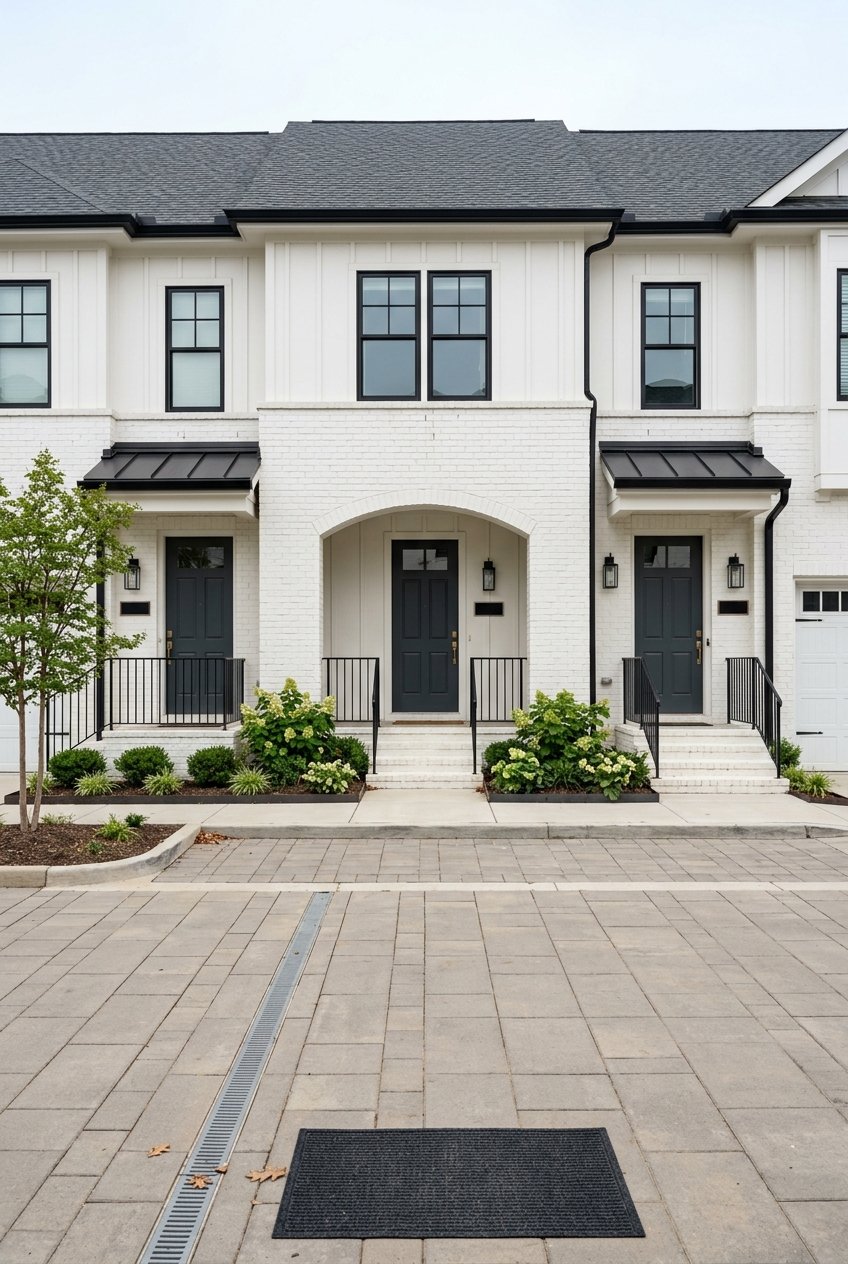
For many Chapel Hill buyers, condos make sense when you want less exterior upkeep and a lower upfront price. Townhomes often appeal when you want more space, a multi-level layout, or a setup that feels closer to a detached home without stretching to a single-family budget. The right fit depends less on labels and more on how the community is structured.
The monthly cost is another key difference. A lower asking price does not always mean lower ownership cost once dues, insurance, and maintenance are added in. That is why it helps to compare the full payment picture before you decide that one option is automatically more affordable.
In North Carolina, many newer condos are governed by the North Carolina Condominium Act, Chapter 47C, while many planned communities are governed by separate planned community rules. For you as a buyer, the practical point is simple: the declaration, bylaws, and covenants can affect daily ownership just as much as the home itself.
The North Carolina Department of Justice guidance on homeowners associations recommends getting those documents before you buy. That includes reviewing the bylaws and covenants, understanding how fees can change, and learning whether owners may be required to contribute to repairs or construction for common facilities.
This is especially important because HOA rules can shape everything from maintenance responsibilities to parking and use restrictions. You do not want to discover those details after you are under contract if they conflict with how you plan to live in the property.
Chapel Hill adds another layer of due diligence. The town notes that restrictive covenants are private contracts and are not enforced by the town, and staff do not certify whether those covenants exist or apply. The town recommends checking the Orange County Register of Deeds through Chapel Hill’s housing choices guidance and consulting a land-use attorney if the language is unclear.
When you compare homes, focus on the full cost of ownership, not just the purchase price. According to the Consumer Financial Protection Bureau, condo or co-op fees are usually paid separately from your mortgage, and closing costs typically run about 2% to 5% of the purchase price.
That means your real monthly budget may include:
In some multi-unit buildings, HOA fees may include master insurance for common areas. That can be helpful, but it does not mean every expense is covered. You still need to verify what the association pays for and what stays your responsibility.
A smart follow-up question is whether the association has had major fee increases or repair-related charges. The NCDOJ warns that owners may be required to help pay for repairs to common facilities even if they do not personally use them. That possibility can materially affect affordability, especially if you are trying to keep your monthly costs predictable.
Parking is not a small detail in Chapel Hill. It can have a real impact on your daily routine, especially if you want to be near UNC or downtown. The Town of Chapel Hill says it recognizes strong on-street parking demand around the UNC campus and nearby downtown neighborhoods, and it operates 16 residential parking districts.
The town’s parking fee schedule lists on-street parking at $2 per hour and residential parking permits at $25 per permit per year, with up to five permits per residence or lot in a residential permit zone. For buyers comparing multiple communities, this makes it important to ask whether parking is deeded, assigned, guest-only, permit-based, or dependent on street availability.
Transit can also change how attractive a location feels. Chapel Hill Transit serves Chapel Hill, Carrboro, and UNC, runs seven days a week, and is fare-free. For buyers who want a car-light lifestyle, that can make certain condo and townhome locations more practical.
The town also offers Park and Ride permits at $2 per day, $21 per month, or $250 per year. If you are considering a smaller unit, fewer parking spaces, or a commute that does not require driving door to door, those options are worth factoring into your search.
If you are deciding between a condo, a townhome, and a detached house, it helps to think in terms of tradeoffs instead of rankings. Condos often offer the lowest buy-in and the least exterior upkeep. Townhomes often provide more space and a more house-like feel while still sharing some maintenance responsibilities. Single-family homes usually offer the most control, but they also tend to come with more maintenance and a higher total cost of ownership.
For first-time buyers, that can make condos and townhomes an important entry point into Chapel Hill. For downsizers, the key question is whether the association removes enough maintenance to justify the dues. For relocating buyers, the biggest factor is often how much convenience, parking access, and transit options matter in your day-to-day routine.
Before you make an offer on a condo or townhome, try to confirm these details early:
Doing this homework upfront can help you avoid surprises later. It also makes it easier to compare two properties that may seem similar on paper but have very different ownership costs and rules.
If you are planning a move to Chapel Hill, having local guidance can make these details much easier to sort through. The right condo or townhome is not just about square footage or list price. It is about finding a property that fits your budget, lifestyle, and comfort level with shared ownership rules. When you are ready for tailored guidance, connect with Kingsley Realty for personalized support throughout your home search.
Stay up to date on the latest real estate trends.


We pride ourselves in providing personalized solutions that bring our clients closer to their dream properties and enhance their long-term wealth.