
January 1, 2026
January 1, 2026
Are you weighing lot size against walkability, or a quiet street against a lively downtown? If you are moving to Apex or moving up within town, the right neighborhood amenities can make everyday life smoother and more fun. You want parks for the kids, trails for your morning run, and dinner options that fit a busy week. In this guide, you will learn how Apex amenities fit different lifestyles, what to look for during home tours, and how to compare neighborhoods with confidence. Let’s dive in.
Apex is a fast-growing town in the Triangle, and that pace brings more choices. For many buyers, the daily routine matters as much as square footage. Your commute, kids’ activities, pets, and social plans all tie back to nearby amenities.
You will often choose between larger lots on the town’s edges and closer-in locations near greenways and downtown. Newer subdivisions may offer pools and clubhouses, while established neighborhoods often offer mature trees and street-level charm. The best fit is the one that supports your everyday life.
Parks and sports fields are where weekday energy gets an outlet. You will find open fields for pickup games, playgrounds for younger children, and courts for tennis or pickleball. Look at the layout and size of each park, the age and safety of playground equipment, and whether fields are lined for soccer or baseball.
If your family is in sports leagues, note how close your home is to town sports complexes. Many buyers plan around a short drive to fields for weeknight practices. For low-maintenance living, consider neighborhoods where the HOA manages recreation areas so you spend less time on upkeep and planning.
Apex has an expanding network of greenways that connect neighborhoods, parks, and natural areas. These trails add value to daily life by giving you safe routes for walking, jogging, biking, or pushing a stroller.
When you tour, check how a trail connects to key destinations. Paved surfaces often work best for strollers and bikes. Lighting, visibility, and access points also matter. Homes with nearby trailheads tend to stay desirable over time because they support active routines and easy movement without a car.
Historic Downtown Apex is a compact district with restaurants, coffee shops, boutiques, and cultural venues. If you like a short walk to dinner or weekend events, being near downtown can be a strong advantage. The area’s rhythm includes seasonal festivals and weekly activities that make it easy to meet neighbors.
Beyond downtown, suburban retail centers and corridors bring everyday convenience. Chain restaurants, grocery stores, and services help you shorten errand time. Decide whether you want to be within walking distance of downtown dining or prefer a quieter street that is a short drive to retail.
Community centers and the local arts scene provide classes, performances, and year-round programs. The Halle Cultural Arts Center in the downtown area commonly hosts classes, concerts, and community theater. These programs are great for families and also help newcomers build social ties after a move.
If you value adult enrichment or after-school options, look at the depth of programming and the schedule. Proximity to community centers can make it easier to maintain hobbies and keep a full family calendar without long drives.
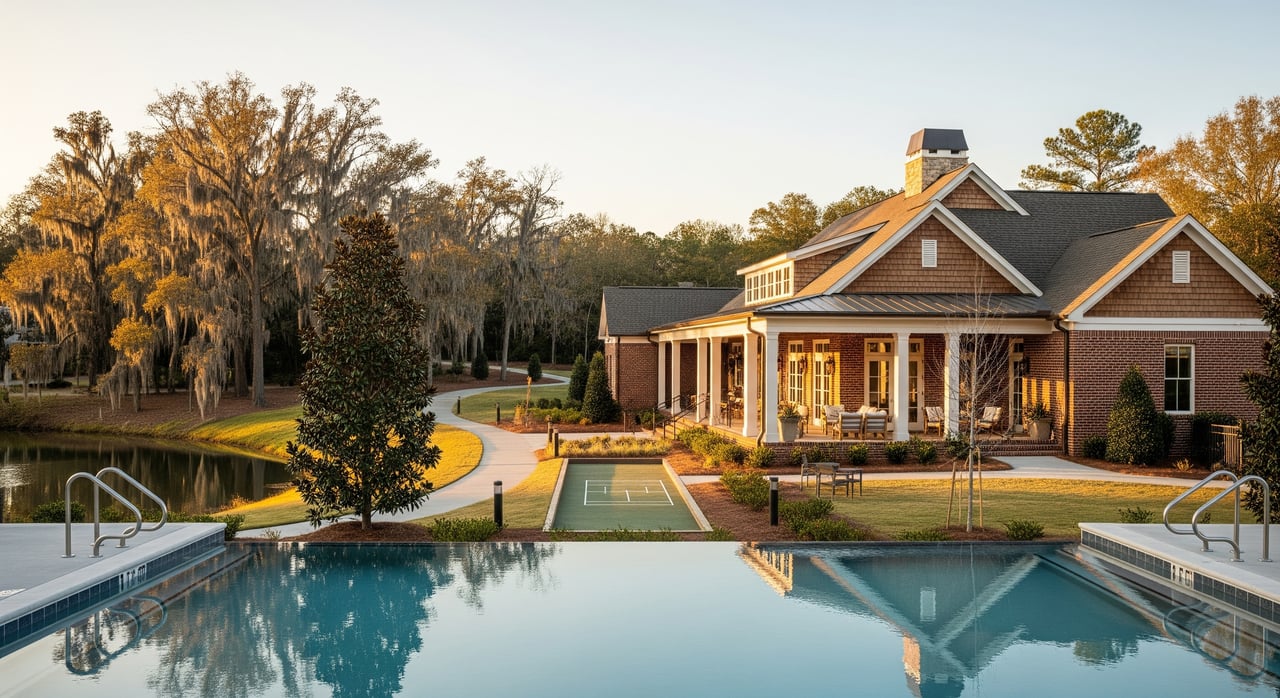
Many newer subdivisions in Apex offer HOA-managed amenities. You may see a clubhouse, pool, fitness room, playground, and walking paths all inside the neighborhood. The tradeoff is that you will pay dues and follow community rules, but the convenience is hard to beat.
Town facilities and public pools can be a lower-cost option with broader programming. They may be busier and require a short drive. When comparing listings, consider what the HOA dues cover, who maintains the facilities, and any rules about guest access or hours.
Farmers markets and seasonal festivals create a social rhythm in Apex. Events like PeakFest bring people together and highlight local vendors and artists. Breweries and coffee shops add casual meeting spots that help you feel at home faster.
If you are relocating, plan to attend a few events soon after you arrive. It is one of the fastest ways to learn the area, meet neighbors, and find your favorite spots.
Amenities matter most when they align with your lifestyle. Use these profiles to focus your search.
Apex sits within the Research Triangle region, with common commutes to RTP and downtown Raleigh in the 20 to 40 minute range depending on traffic and your starting point. When you shortlist homes, test the route during typical rush hours. Your preferred amenities should support, not complicate, your workday routine.
Use this checklist to keep your search objective and focused on daily life.
Understanding neighborhood types can help you narrow your list faster.
Expect smaller lots, historic homes, and the highest walkability to restaurants and cultural venues. The tradeoff can be less private outdoor space and more activity nearby.
These neighborhoods offer mature trees and, in many cases, internal sidewalks and paths to playgrounds or pools. They are often a short drive to parks and retail.
You will often see on-site clubhouses, pools, trails, and fitness rooms. HOA dues are typically higher, but recreation is close to home and well maintained.
Larger lots and greater privacy come with longer drives to retail and downtown. These areas suit buyers who want more space and fewer immediate neighbors.
Start by mapping your daily routine. Where will you work, exercise, run errands, and relax on weekends? Then match those needs to neighborhoods that offer the right mix of parks, trails, downtown access, community programs, and HOA amenities.
Walk or bike the greenways, attend a weekend event, and time your commute during rush hour. Talk to your agent about HOA coverage, facility upkeep, and planned public projects that may affect access or noise. With a clear plan, you can find a home in Apex that fits both your budget and your lifestyle.
If you are ready to explore, our local team can help you narrow neighborhoods, set up listing alerts, and tour homes that fit your routine. Reach out to Kingsley Realty for personalized guidance and a smooth, full-service experience.
Stay up to date on the latest real estate trends.

We pride ourselves in providing personalized solutions that bring our clients closer to their dream properties and enhance their long-term wealth.